The short version: President Trump approved a major disaster declaration for Ohio on October 2, 2026, covering seven counties hit by the August 10–23 storms. If you live in Franklin, Licking, Clermont, Hamilton, Morgan, Muskingum, or Perry County and your home was damaged, you can apply for federal grants and low-interest loans right now. Three Disaster Recovery Centers opened October 7 and run through November 1, where specialists can check your application in person. Apply at DisasterAssistance.gov, through the FEMA app, by calling 800-621-3362, or at a recovery center.
President approved federal disaster aid Oct 2 for 7 Ohio counties after the August 10–23 storms. Three Disaster Recovery Centers open Oct 7–Nov 1. How to apply, what FEMA covers, and how to document damage for your claim.
01What Happened
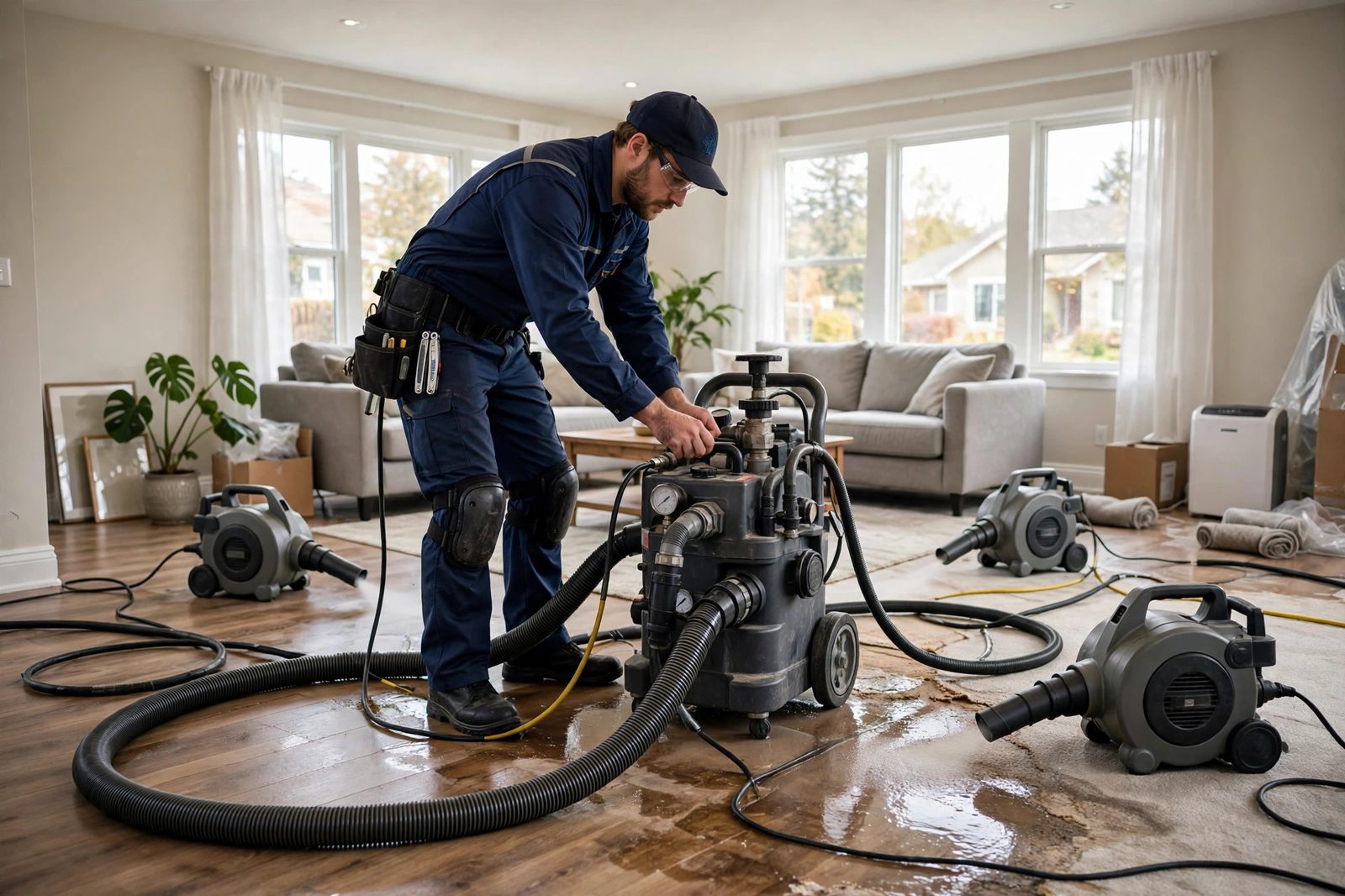
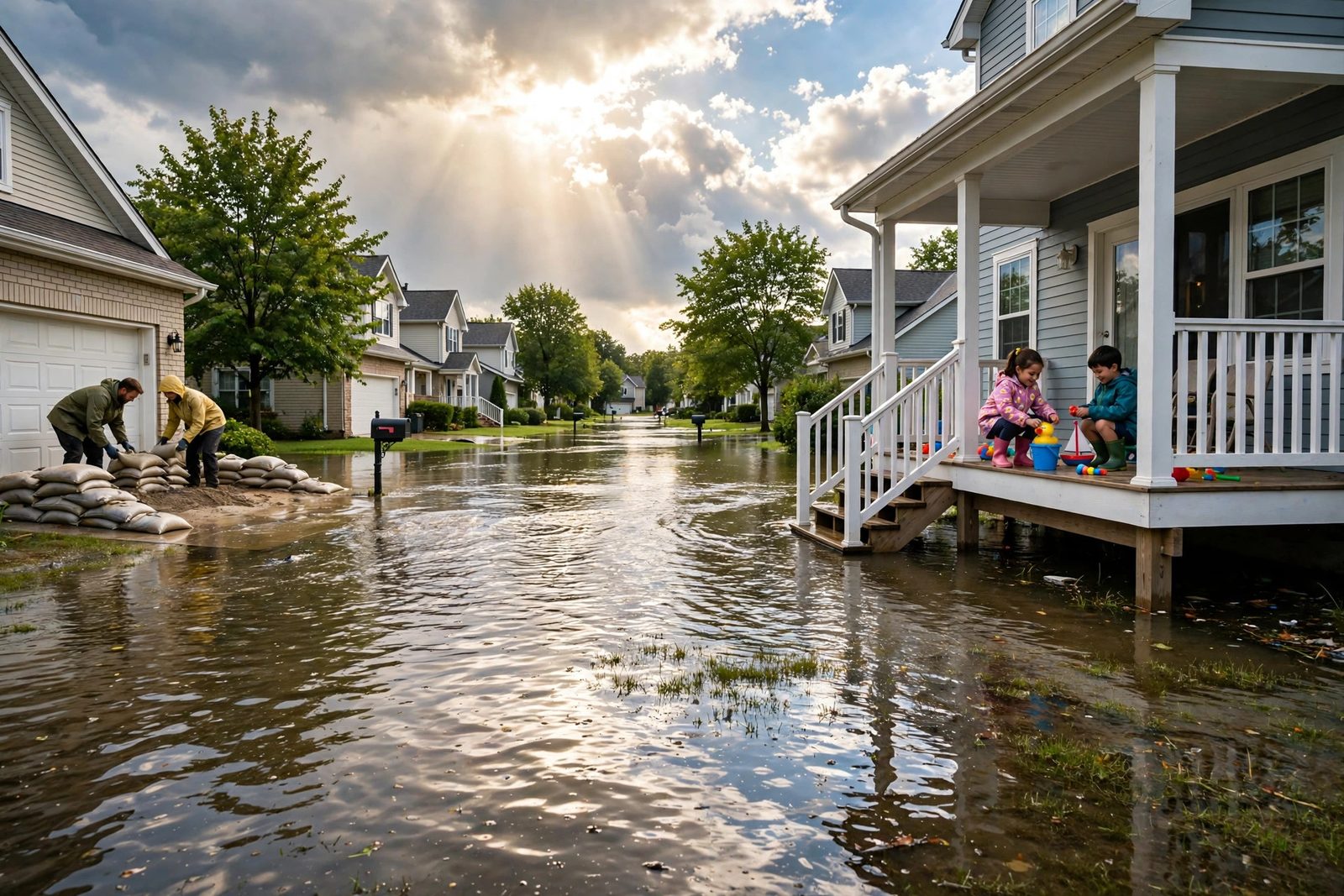
Between August 10 and August 23, 2026, multiple rounds of heavy rain, flash flooding, and severe storms swept across Ohio, with 17 confirmed tornadoes statewide. Preliminary damage assessments found at least 50 homes and businesses destroyed, 806 with major damage, and 475 with minor damage. About 300,000 Ohioans lost power, and the storms were blamed for two deaths and four injuries. State officials described the flooding in western Hamilton County as the worst since 1959.
Governor DeWine requested a federal disaster declaration on September 2 covering 23 counties. On October 2, the President approved the request for seven counties. The other 16 counties remain under federal review — if your county is on that pending list, document your damage now and stay in contact with your county emergency management office, because additional counties can still be added.
02What Federal Aid Is Available
The declaration activates FEMA's Individual Assistance program. That means grants — not loans, no repayment — for:
- Temporary housing and rental assistance
- Home repairs to make your house safe and livable
- Replacement of personal property
- Crisis counseling, disaster unemployment assistance, and disaster legal services
Separately, the declaration makes low-interest SBA disaster loans available to homeowners and businesses for repairing damage not fully covered by grants or insurance.
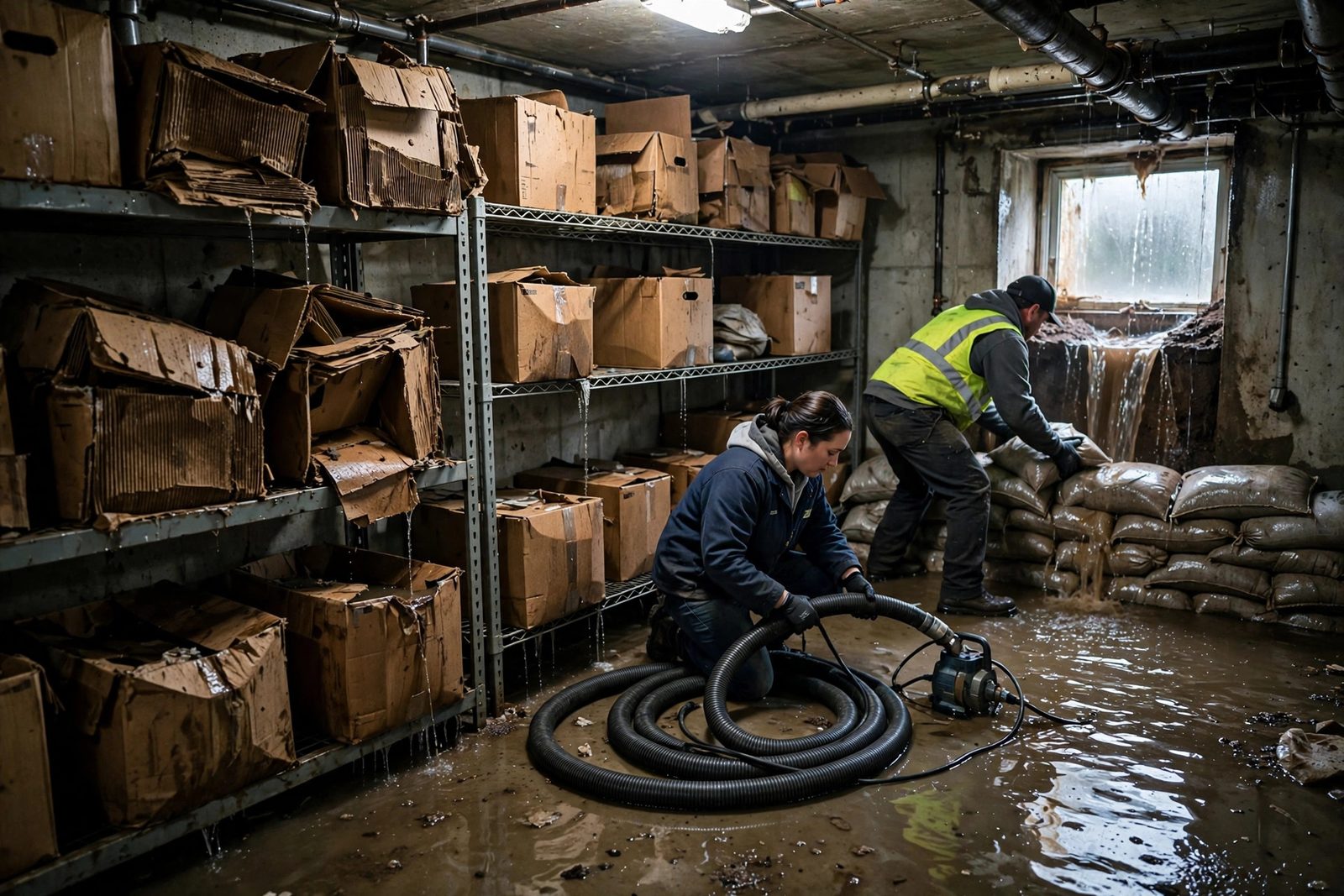
One honest caveat up front: FEMA grants are designed to cover essential needs, not to make you whole. They won't match what insurance or a full restoration would pay, and they won't cover damage that predates the storm. But for a flooded basement or a roof torn open by a tornado, they can cover real money — which is why the rest of this guide matters.
03The Three Disaster Recovery Centers (Open Oct 7 – Nov 1)
If you'd rather deal with a person than a website, three centers opened today, October 7, and stay open through November 1, per the Ohio Department of Public Safety. Recovery specialists there can check your application status and explain which programs you qualify for. You don't need to visit your county's specific center to apply — but each is staffed for its assigned counties:
- Reynoldsburg Community Church — 1636 Graham Road, Reynoldsburg. Serves Franklin and Licking counties.
- William H. Barker Community Center — 13047 Karl Brown Road, Roseville. Serves Perry, Morgan, and Muskingum counties.
- Hamilton County Central Campus — 1701 Patricia McCollum Way, Cincinnati. Serves Hamilton and Clermont counties.
Hours: October 7, noon–8 p.m.; then Monday–Friday 8 a.m.–8 p.m., Saturday 10 a.m.–6 p.m., Sunday 10 a.m.–4 p.m. The state notes hours and dates are subject to change based on attendance — so don't plan a Sunday-evening trip.
04Four Ways to Apply
- Online: DisasterAssistance.gov
- FEMA app: download it on iOS or Android and apply from your phone
- Phone: 800-621-3362 (FEMA Helpline)
- In person: any of the three Disaster Recovery Centers above
Apply as soon as you can. For this disaster, FEMA's registration deadline is December 1, 2026 (per FEMA's official record for DR-4945-OH) — and don't assume it will be extended.
More Than Water Removal
Water is only the first problem. Here's what we actually fix when we walk through your door.
Structural Damage
Standing water weakens framing, subfloors, and foundations. Fast extraction stops a small leak from becoming a structural repair.
Mold Growth
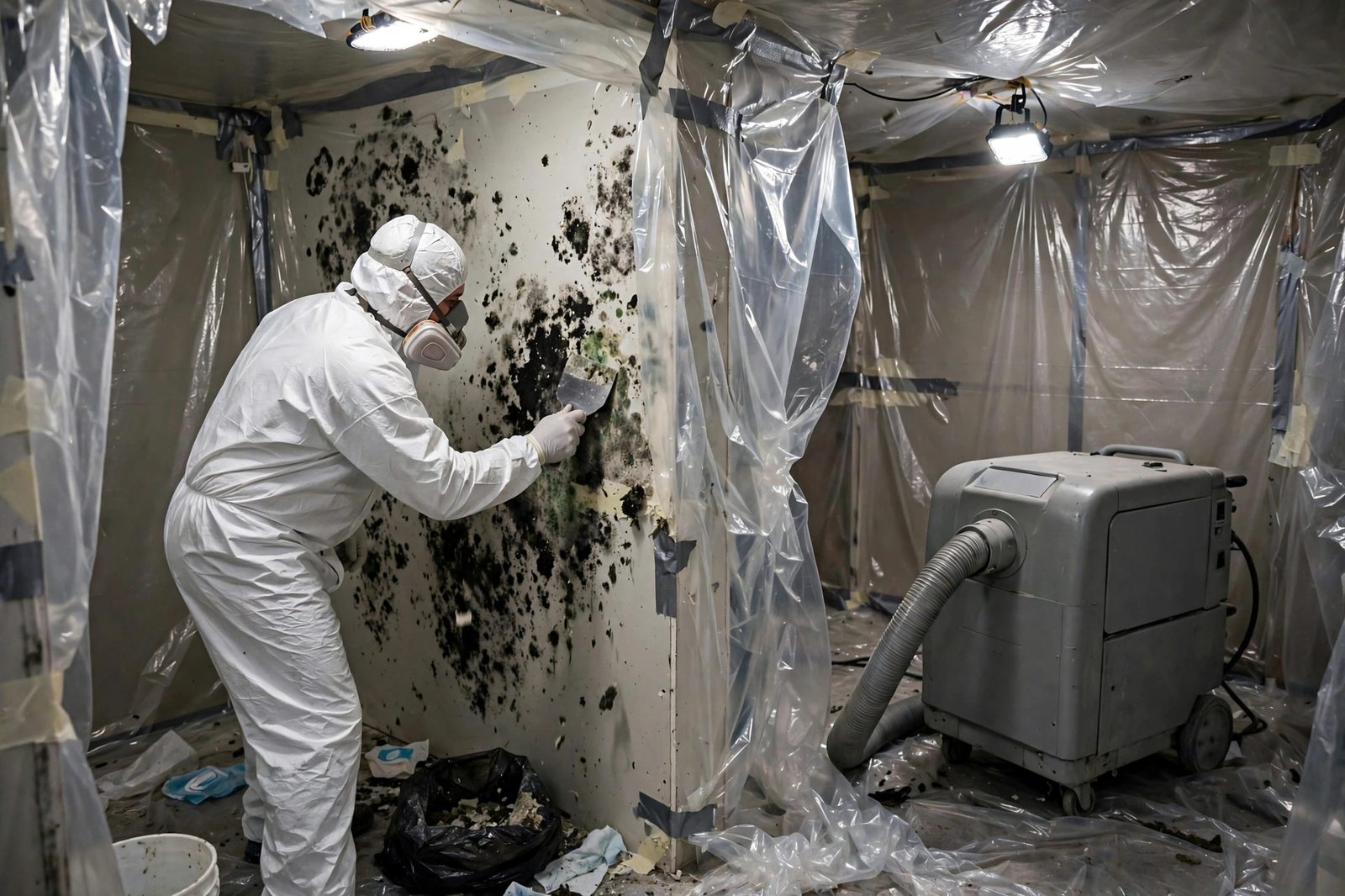
Mold can colonize damp drywall within 48 hours. We dry to verified moisture standards and treat surfaces to prevent regrowth.
Health Risks
Sewage backups and long-standing water carry bacteria and contaminants. We clean and sanitize until the space is safe again.
Lingering Odors
A musty smell means moisture is still hiding somewhere. We find the source, dry it completely, and deodorize — never just mask it.
Ruined Floors & Walls
Buckled hardwood, swollen drywall, peeling paint. We remove what can't be saved and rebuild what matters, start to finish.
Insurance Stress
Claims stall on thin documentation. We photograph everything, log moisture readings daily, and deliver adjuster-ready reports.
05What to Bring to a Recovery Center
Have these ready whether you apply in person, online, or by phone:
- A photo ID and your Social Security number
- Proof of your address in one of the seven counties (utility bill, lease, mortgage statement)
- Your homeowners or renters insurance policy information
- Bank routing and account numbers if you want any grant paid by direct deposit
- Photos of the damage, if you have them (more on this below)
06What FEMA Covers — and What It Doesn't
Covered: repairs to make your home safe, sanitary, and functional — structural damage, flooded HVAC and electrical systems, essential appliances. Rental assistance while your home is uninhabitable. Replacement of essential personal property.
Not covered: damage your insurance already paid for (no double-dipping); upgrades beyond returning the home to its pre-disaster condition; food spoilage alone; and damage from long-neglected maintenance that the storm didn't cause.
The insurance interplay, in plain English: FEMA expects you to use your insurance first. But do not wait for your insurance claim to settle before applying — file both in parallel. If your insurer denies part of your claim or pays less than the damage, FEMA can help with the gap. Apply to FEMA even if you're insured; the worst outcome is a letter saying you don't qualify for a particular program.
Our Restoration Process
A disciplined, four-step method — no guesswork, no shortcuts, no surprises.
Rapid Assessment
We inspect on arrival, map hidden moisture with meters and thermal imaging, and lay out a clear plan before any work starts.
Water Extraction
Truck-mounted and portable extractors pull standing water fast — the single biggest factor in limiting total damage.
Drying & Dehumidification
Commercial air movers and dehumidifiers run under daily monitoring until every material reaches verified dry standard.
Cleaning & Restoration
Sanitizing, odor removal, drywall, flooring, and paint — your property restored by one accountable crew.
07If You Get a Denial Letter, Don't Panic
A denial letter is often the beginning of the process, not the end. FEMA frequently denies because information is missing — proof of occupancy, an insurance decision letter, or documentation of the damage. The letter explains what's missing and you have the right to appeal. A trip to a Disaster Recovery Center is the fastest way to find out exactly what they need and get the application back on track.
08Watch for Scams
Disaster zones attract fraud. Two rules:
- FEMA never charges a fee to apply for assistance, inspect your home, or process your claim. Anyone asking for payment "to file with FEMA" is a scammer.
- Be cautious with contractors. Don't pay the full job up front, don't sign over your insurance check, and verify that anyone doing restoration work is licensed and insured. A legitimate restoration company will document damage thoroughly — in writing and with moisture readings — which is exactly the evidence FEMA and your insurer both want to see.
09Document Your Damage Before You Clean Up
This is the step that decides how much help you actually get, from FEMA and from your insurer:

- Photograph everything before you move or discard it — wide shots of each room, close-ups of water lines on walls, ruined flooring, damaged appliances.
- Note the date the damage occurred (the August 10–23 incident period matters for eligibility).
- Don't throw away damaged items until they've been documented — FEMA and adjusters both want to see them.
- Keep every receipt for emergency repairs, hotel stays, and supplies. Those costs can be reimbursable.
- Get a professional moisture inspection. Surface-dry doesn't mean dry — hidden moisture inside walls and subfloors is what turns into mold claims months later. Professional documentation with moisture-meter readings carries weight with adjusters and with FEMA.
If your basement flooded in August and you still haven't had it professionally dried and checked, that hidden moisture is still working on your drywall and framing right now. Integrity Water Damage Restoration Ohio documents damage the way insurers and FEMA want to see it — call (614) 956-3233.
“Every hour water sits, the damage — and the bill — grows.”
Call (614) 956-3233 — We Answer 24/7Why Ohio Homeowners Call Us First
- 24/7 live dispatch — a real person answers, day or night, holidays included
- 60-minute emergency response goal across our Ohio service area
- Upfront, honest pricing explained before work begins
- Insurance-ready documentation — photos, moisture logs, line-item reports
- Mold prevention built in — antimicrobial treatment on every drying job
- One accountable crew from emergency extraction to final repairs
Water Damage Can't Wait — Neither Do We
Our Ohio crews are on call 24/7 for emergency water extraction and drying.
Call (614) 956-3233 Now?FEMA Assistance FAQs
If your Ohio home took on water in the August storms — or any storm — Integrity Water Damage Restoration Ohio is here to help with extraction, drying, mold prevention, and the kind of documentation your FEMA application and insurance claim both need. Call (614) 956-3233 for a free damage assessment.
The seven approved counties are Franklin, Licking, Clermont, Hamilton, Morgan, Muskingum, and Perry. Sixteen other counties from the governor's request are still under federal review. If you're unsure, apply anyway — FEMA will tell you your eligibility.
No. Individual Assistance grants are not loans and don't require repayment. SBA disaster loans are separate and do require repayment, at low interest.
Yes. Renters can apply for assistance with personal property losses and temporary housing. The Disaster Recovery Centers serve renters as well as homeowners.
No — as long as you register before the December 1, 2026 deadline and can document that the damage came from the August 10–23 storms, you can still apply. Photos, receipts, and any contractor estimates help enormously.
FEMA assistance is separate from your insurance. Filing a FEMA application doesn't touch your policy; only claims filed with your insurer can affect your rates.
Document everything now — photos, dates, receipts — and report your damage to your county emergency management agency. Damage assessments drive which counties get added. Don't wait for approval to start your paper trail.
How Was Your Experience?
If our crew helped you through a water emergency, your review helps Ohio neighbors choose with confidence.