When the Maumee River rises and Lake Erie pushes back at the same time, Toledo gets it from both sides. Few cities face two completely different flood mechanisms at once — but Toledo sits at the mouth of Ohio's largest Great Lakes watershed and at the shallow western end of Lake Erie, the end that rises during northeast gales. That's why water damage here isn't just a "basement thing." It's river flooding, lakeshore storm surge, flash urban flooding, and chronic basement seepage on flat clay ground — often in the same season.
Integrity Water Damage Restoration Ohio provides 24/7 emergency water damage restoration across the Toledo metro. If water is in your home right now, call (614) 956-3233 — we're on call 24/7.
Toledo floods from two directions — the Maumee River and Lake Erie storm surge. Integrity Water Damage Restoration Ohio provides 24/7 water damage restoration, basement flood cleanup, and drying across Toledo. Call (614) 956-3233.
Water Emergency Right Now?
Do these five things first — then let us take it from there.
- Stay safe first. Don't walk through standing water if the power may be on — and never touch submerged outlets, panels, or appliances.
- Stop the source if you can. Shut the main water valve for a burst pipe or appliance leak. For storm flooding, focus on safety, not the water.
- Call (614) 956-3233 now. Our dispatchers answer 24/7 and can talk you through the next steps while a crew rolls.
- Move what matters. Lift rugs, electronics, and furniture legs out of the water if it's safe to do so — every inch helps.
- Don't wait on drying. Mold can start within 24–48 hours. Fast professional drying is the difference between a cleanup and a rebuild.
01Why Toledo Floods: Two Water Bodies, One Flat Lake Plain
Toledo's geography is the whole story. The city was built on the bed of ancient glacial Lake Maumee — flat lake-plain clay soils with a high water table and almost nowhere for water to drain. That combination shapes every water damage call we answer:

- The Maumee River. Ohio's largest watershed draining to the Great Lakes empties at Toledo into Maumee Bay. When heavy rain swells the basin upstream, the river has nowhere to spread but the floodplain. In June 2015, the Maumee at Waterville and Grand Rapids — just upstream — approached 100-year flood levels, with water entering downtown Grand Rapids businesses (NWS Cleveland). The December 2006 basin floods and the basin-wide 1982 floods ("the worst since 1913" on most large streams in the Maumee system, per USGS) are reminders that the river periodically resets the benchmark.
- Lake Erie storm surge and seiches. Toledo sits at the shallow western end of Lake Erie — the end that rises when northeast winds shove water down the lake. The October 2011 seiche produced a roughly 7-foot lake-level difference between Toledo and Buffalo (Ohio EMA). Documented surges flooded Monroe and Second Streets and Point Place on Maumee Bay in March 1997, with major lakeshore flooding around Maumee Bay and Sandusky Bay in the March and November 1998 surges. Record-high lake levels in 2019–2020 brought "severe persistent flooding" to low-lying coastal areas.
- Clay soils and a high water table. Northwest Ohio's lake-plain clay doesn't absorb water — it holds it. Heavy rain saturates the ground, water presses against foundation walls, and hydrostatic pressure pushes in through cove joints and floor cracks. Waterproofing contractors active in the Toledo market report that heavy rain plus saturated soil creates recurring basement seepage and failing sump pumps across the region.
Even Congress treats Toledo's water problem as infrastructure-grade: the House-passed WRDA water-projects bill (September 2026) authorizes an additional $34.5 million — bringing total federal support to $45 million — for Toledo and Oregon water, wastewater, and stormwater upgrades, plus a Corps study of flood protection along the downtown Maumee River waterfront near the Glass City Riverwalk (Rep. Kaptur release).
02Point Place and the Shoreline: Lake-Flooding Country
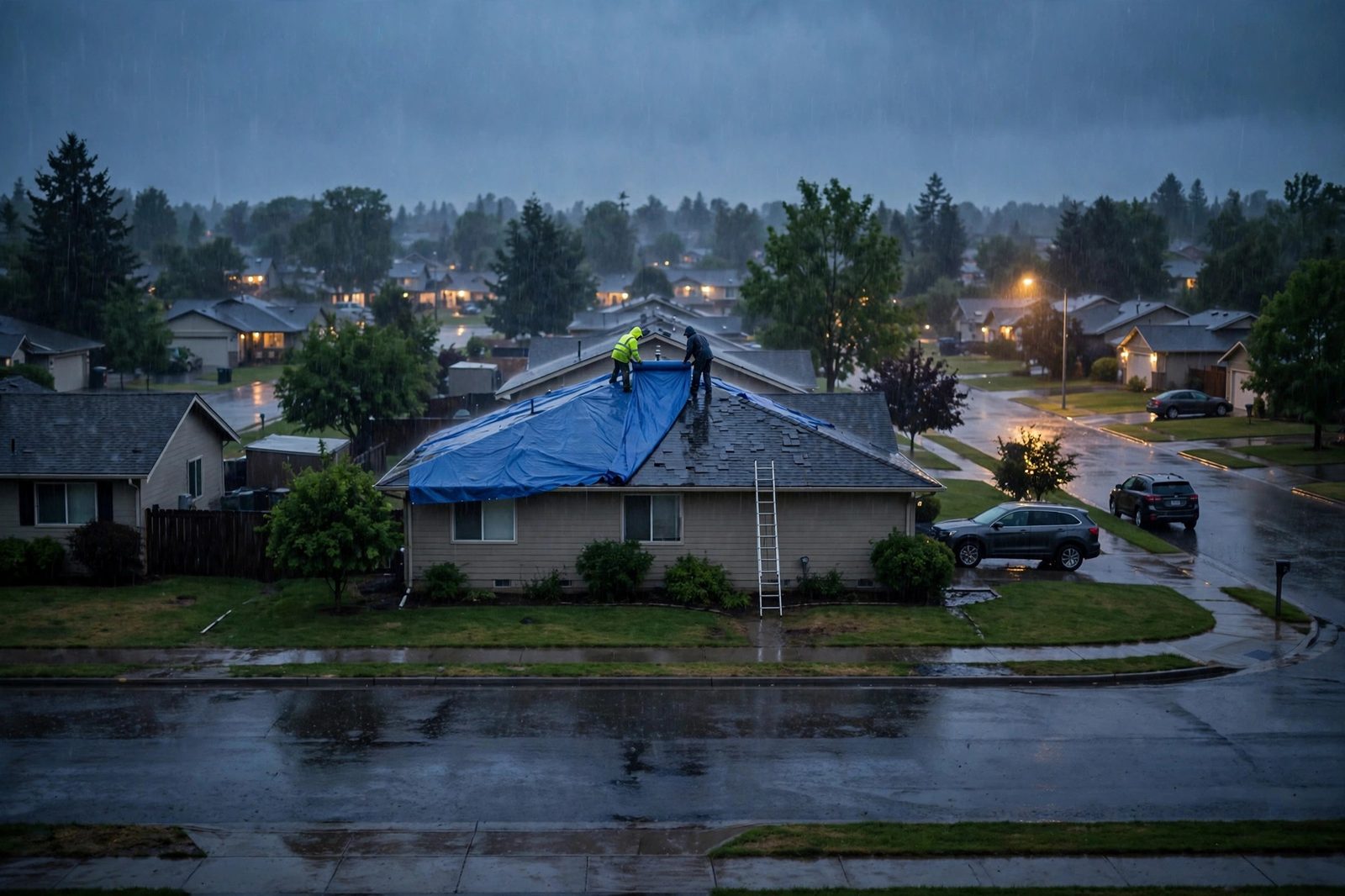
Point Place — the peninsula neighborhood on Maumee Bay — is Toledo's classic lake-flooding neighborhood. When easterly gales stack Lake Erie against the shore, water overtops low roads and floods streets on the peninsula. Ohio DNR's Lake Erie shore studies cover Lucas County's 22.1 miles of shoreline, including 12.0 miles along Maumee Bay itself.
If you live on or near the bay, your water risk is different from a typical inland homeowner's: storm surge brings wave-driven, debris-laden water that saturates fast and contaminates. After lake-driven flooding, speed matters — standing water plus summer humidity starts mold growth within 24–48 hours (EPA). Our lakeshore response prioritizes rapid extraction, debris removal, and aggressive drying before the damage spreads into walls and subfloors.
03Basement Seepage and Sump Pump Failure: Toledo's Everyday Flood
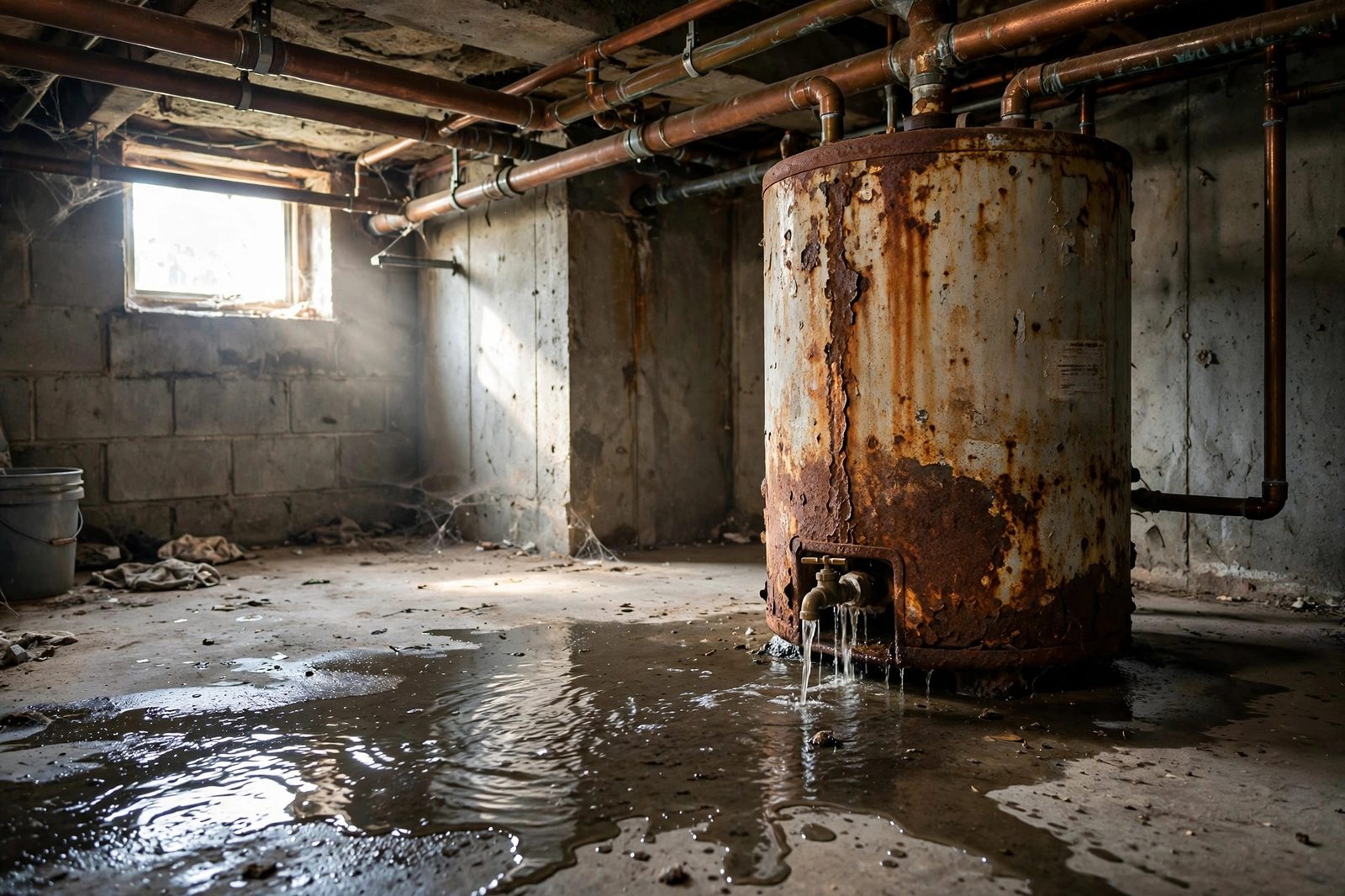
For most Toledo homeowners, water damage doesn't arrive with a headline — it arrives through the basement wall at 2 a.m. after a heavy rain. Flat terrain, clay soil, and a high water table mean many Toledo-area homes rely entirely on sump pumps to keep basements dry. When the pump fails — or the power goes out during the same storm that's dumping rain — the basement fills.
The city's core neighborhoods amplify the problem: older homes in the Old West End's historic district with stone and rubble foundations and aging clay-tile laterals; high-value finished basements in Ottawa Hills, which was explicitly named in the NWS's August 2022 Lucas County urban flood advisory. Sewer backup is a real companion risk — the City of Maumee's Ohio EPA capacity plan includes procedures for responding to water-in-basement (WIB) events during storms, which tells you how routine basement flooding is in this metro during heavy rain.
04Winter Freeze-Thaw: Burst Pipes in Older Toledo Homes
Toledo winters swing from deep freeze to thaw, and that cycle bursts pipes in unconditioned basements, crawl spaces, and exterior walls — especially in the older homes that dominate the city's core. A burst supply line can release hundreds of gallons per hour, and the damage often isn't discovered until someone goes downstairs. If you find flooding from a burst pipe, shut off your main water valve first, then call us — fast extraction and drying is what separates a contained cleanup from a mold remediation project.

More Than Water Removal
Water is only the first problem. Here's what we actually fix when we walk through your door.
Structural Damage
Standing water weakens framing, subfloors, and foundations. Fast extraction stops a small leak from becoming a structural repair.
Mold Growth
Mold can colonize damp drywall within 48 hours. We dry to verified moisture standards and treat surfaces to prevent regrowth.
Health Risks
Sewage backups and long-standing water carry bacteria and contaminants. We clean and sanitize until the space is safe again.
Lingering Odors
A musty smell means moisture is still hiding somewhere. We find the source, dry it completely, and deodorize — never just mask it.
Ruined Floors & Walls
Buckled hardwood, swollen drywall, peeling paint. We remove what can't be saved and rebuild what matters, start to finish.
Insurance Stress
Claims stall on thin documentation. We photograph everything, log moisture readings daily, and deliver adjuster-ready reports.
05Our Toledo Emergency Response: What Happens When You Call
- 24/7 dispatch. Call (614) 956-3233 any time — nights, weekends, holidays. We confirm your address, the water source, and whether there's a safety concern (sewage, electricity), then dispatch a crew.
- Extraction and assessment. We remove standing water and measure moisture in walls, floors, and subfloors to map exactly how far the water traveled.
- Structural drying. Industrial dehumidifiers and air movers dry the structure — not just the surface. We verify with moisture readings, because dry-looking drywall can hide wet studs.
- Sanitization and mold prevention. Floodwater and sewage are Category 3 "black water" — contaminated. We clean, disinfect, and apply antimicrobial treatment, then dry fast enough to stay ahead of mold's 24–48-hour growth window.
- Insurance documentation. We document everything with photos and moisture logs, which helps your flood or homeowners insurance claim. Note: standard homeowners policies typically don't cover flood damage — that requires a separate NFIP flood policy.

“Every hour water sits, the damage — and the bill — grows.”
Call (614) 956-3233 — We Answer 24/7Why Ohio Homeowners Call Us First
- 24/7 live dispatch — a real person answers, day or night, holidays included
- 60-minute emergency response goal across our Ohio service area
- Upfront, honest pricing explained before work begins
- Insurance-ready documentation — photos, moisture logs, line-item reports
- Mold prevention built in — antimicrobial treatment on every drying job
- One accountable crew from emergency extraction to final repairs
Water Damage Can't Wait — Neither Do We
Our Ohio crews are on call 24/7 for emergency water extraction and drying.
Call (614) 956-3233 Now?Frequently Asked Questions — Toledo
CTA — After any flood event in the Toledo area, call Integrity Water Damage Restoration Ohio at (614) 956-3233 — 24/7 emergency water damage restoration, basement flood cleanup, and structural drying.
Serving: Toledo, Oregon, Maumee, Perrysburg, Sylvania, Holland, Ottawa Hills, Harbor View, Rossford, Northwood, and communities across Lucas and Wood counties.
We operate 24/7 emergency dispatch across the Toledo metro — Lucas County and surrounding communities. When you call (614) 956-3233, we confirm the situation and dispatch a crew right away. The sooner extraction starts, the smaller the damage: mold can begin growing within 24–48 hours of water exposure (EPA).
Watch easterly gale forecasts — surge events have flooded Point Place and Monroe/Second Streets in past storms. Move valuables, documents, and electronics off the floor before water arrives if you have warning. After lake-driven flooding, treat the water as contaminated (it picks up sewage, debris, and fuel residues along shorelines) and don't try to save saturated porous materials yourself — call for professional extraction and sanitization.
Typically no. Standard homeowners policies exclude flooding from rivers, lakes, and storm surge — that coverage requires a separate NFIP flood insurance policy. Burst pipes, appliance leaks, and (with a water-backup endorsement) sewer backup are different categories and may be covered. Document everything and call your insurer quickly; we provide the photos and moisture logs adjusters ask for.
In Toledo's flat, clay-soiled terrain with a high water table, frequent pumping during heavy rain is common. What isn't normal: a pump that can't keep up, cycles on and off rapidly, or goes silent during a storm. If your pump is more than 7–10 years old, consider replacing it before storm season and adding a battery backup so it keeps working through the power outages that accompany the heaviest storms.
Distance from the river doesn't protect you in Northwest Ohio. The lake plain's flat terrain and clay soils mean rainwater collects around foundations instead of draining away, groundwater pressure builds against your basement walls, and municipal storm and combined sewers can surcharge during heavy rain — pushing water up through floor drains. Maumee's sewer authority explicitly maintains water-in-basement (WIB) response procedures for storm events, which is how common this pattern is across the metro.
If wet materials (drywall, carpet, wood) stay damp for 24–48 hours, mold risk is real (EPA). Musty odor, discoloration, and peeling paint are warning signs. Professional structural drying within the first day or two is the best prevention — fans and open windows usually aren't enough in Toledo's humid lake climate.
★What Toledo Customers Say
I called three restoration companies. Integrity was the only one that answered at 11 p.m. They came out that night, gave us an honest estimate, and didn't try to upsell us. The crew was respectful and cleaned up better than they found it.
James P.Toledo, OH
Our office building had a major leak. Integrity Water Damage Restoration minimized downtime and kept us informed. The insurance claim was approved without any issues.
Robert A.Toledo, OH
Also Serving Nearby Communities
Fast response across the region — pick your town for local flood risks and what to do first.
How Was Your Experience?
If our crew helped you through a water emergency, your review helps Ohio neighbors choose with confidence.