The Grand River hit a record 19.35 ft in 2006 — and floods keep returning. Integrity Water Damage Restoration Ohio is Painesville's 24/7 water damage restoration team. Call (614) 956-3233.
Water Emergency Right Now?
Do these five things first — then let us take it from there.
- Stay safe first. Don't walk through standing water if the power may be on — and never touch submerged outlets, panels, or appliances.
- Stop the source if you can. Shut the main water valve for a burst pipe or appliance leak. For storm flooding, focus on safety, not the water.
- Call (614) 956-3233 now. Our dispatchers answer 24/7 and can talk you through the next steps while a crew rolls.
- Move what matters. Lift rugs, electronics, and furniture legs out of the water if it's safe to do so — every inch helps.
- Don't wait on drying. Mold can start within 24–48 hours. Fast professional drying is the difference between a cleanup and a rebuild.
01Eleven Inches of Rain. A Record Crest. Condos Ripped Apart.
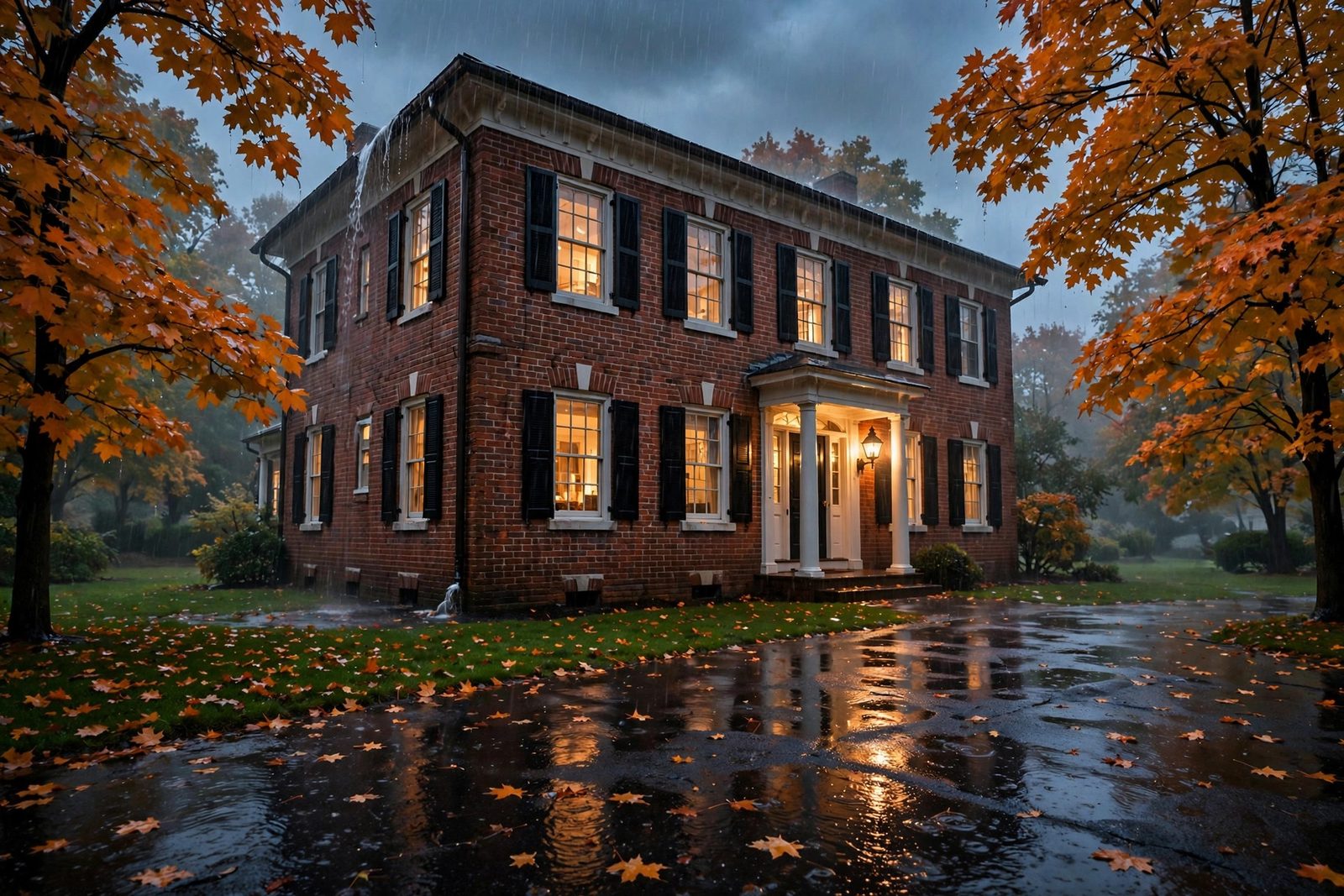
On July 27–28, 2006, parts of Lake County got more than 11 inches of rain in two days — 11.35 inches in Painesville alone, roughly a 1,000-year rainfall for the city. The Grand River answered by cresting at a record 19.35 feet and 35,000 cubic feet per second at Painesville. Around 600 people evacuated. More than 800 homes were destroyed and five bridges were destroyed across Lake County. Damages hit $30 million. One person died. The federal government declared it a major disaster — FEMA-1656-DR, covering Lake, Geauga, and Ashtabula counties.
At the Gristmill and Millstone Condominiums, floodwater literally ripped homes apart. Residents were rescued by boat and helicopter. About 100 people sheltered at Harvey High School.
That was the 500-year flood. But Painesville's story didn't start there — and it didn't end there. Integrity Water Damage Restoration Ohio provides 24/7 emergency water damage restoration across Painesville and Lake County. Call (614) 956-3233.
02It Wasn't the First Time — and It Wasn't the Last
Ask a hydrologist about Painesville and you'll hear a list, not an anecdote: the Grand River has flooded this city repeatedly — documented events in 1989, 2006, 2008, and 2011, with Painesville described in flood research as one of the most affected regions in the watershed. The U.S. Geological Survey has operated a stream gage on the Grand River at Walnut Avenue in Painesville since 1974, and flood-warning and inundation mapping were developed specifically for this city — because this river keeps proving it needs them.

The Grand River runs 102.7 miles to Lake Erie at Fairport Harbor, just north of the city, draining a 705-square-mile watershed through tributaries like Mill, Paine, and Big Creek. Every one of those tributaries is another funnel pointed at Painesville. As recently as August 2024, Lake County was placed under a state of emergency.
If you own a home anywhere near the river valley, the question isn't whether the Grand River will rise again — it's whether your home is ready when it does. Integrity Water Damage Restoration Ohio handles river-flood extraction, contaminated-water cleanup, and full structural drying. Call (614) 956-3233.
03The Riverbank Is Moving, Not Just the River
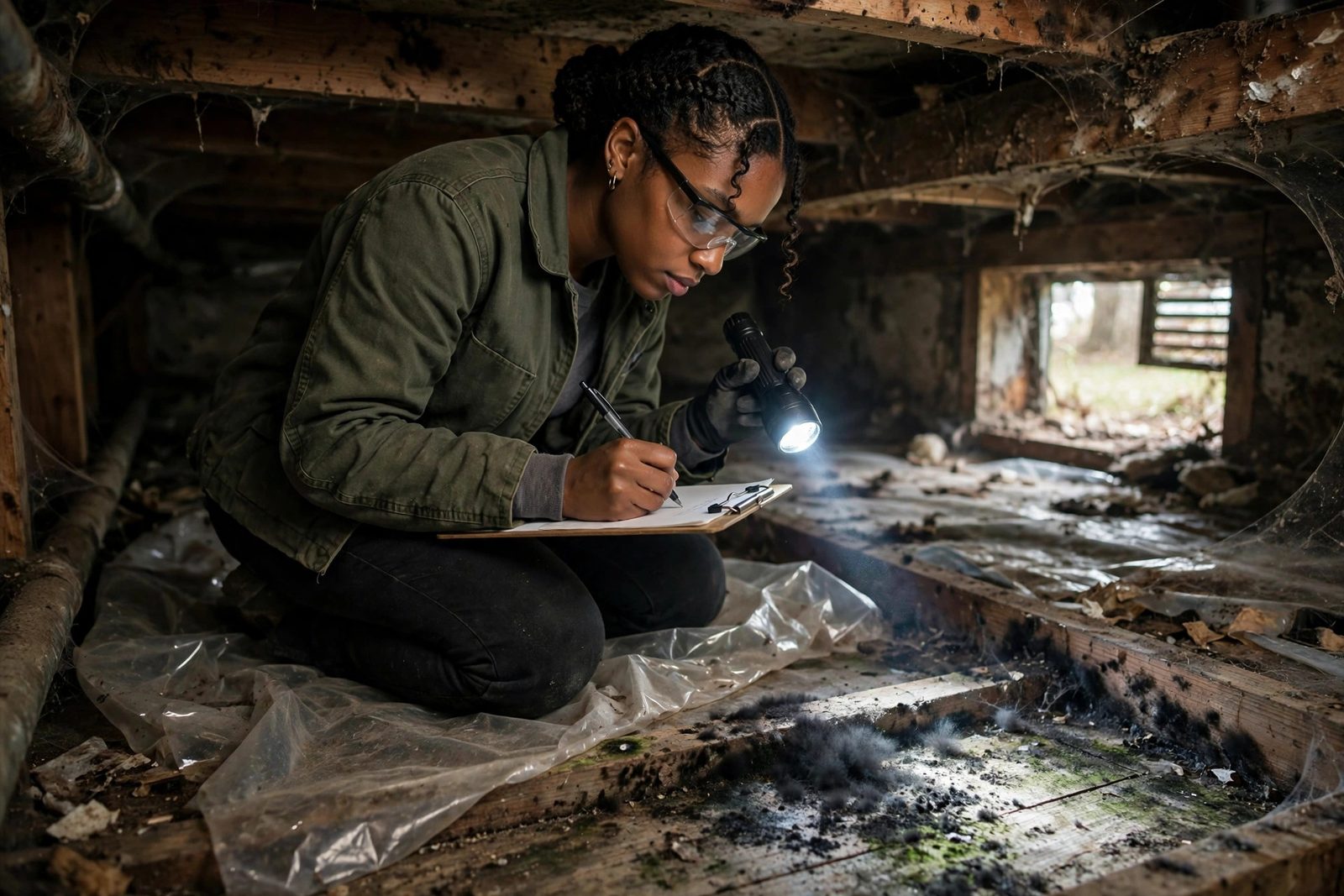
Here's the Painesville flood risk most homeowners never think about: the banks themselves are failing. Chronic erosion and slumping along the Grand River at Painesville have eaten away more than eight feet of bank crest since 1984 — the ground is literally receding toward people's foundations.

The U.S. Army Corps of Engineers completed a streambank protection project on the Grand River at Bank Street in Painesville in 2019 under its Section 14 authority, armoring one of the worst slump zones. But one project doesn't stabilize a whole river valley. If your home sits near the valley edge, watch for the warning signs: cracks in foundation walls facing the river, soil pulling away from the foundation, leaning fences or trees, and new wet spots in the basement after ordinary rain.
Bank-driven foundation damage is slow, invisible, and expensive — and standard homeowners policies typically exclude earth movement. If you're seeing the signs, call (614) 956-3233 for a free moisture and foundation-water assessment before the next storm makes the decision for you.
04When the Snowbelt Melts
Painesville sits in Ohio's snowbelt, and winter is a water-damage season here, not just a heating season. Lake County takes heavy lake-effect snow — nearby Mentor logged 7 inches by 2 p.m. in a single November 2014 event — and all of it has to go somewhere in spring. Snowmelt stacked on top of spring rain is a classic Painesville basement-flooding recipe: saturated ground, overwhelmed sump pumps, and hydrostatic pressure pushing water up through basement floors and in through foundation walls.

The older housing stock near the river valley — homes with basements built long before modern drainage standards — takes the worst of it, along with older industrial-area buildings. If your basement floods every March and April, the fix is a system, not a mop: a working primary sump pump with battery backup, sealed foundation cracks, proper exterior grading, and gutters that discharge well away from the house. Integrity Water Damage Restoration Ohio dries spring-flood basements and helps you build the prevention system that stops the next one. Call (614) 956-3233.
More Than Water Removal
Water is only the first problem. Here's what we actually fix when we walk through your door.
Structural Damage
Standing water weakens framing, subfloors, and foundations. Fast extraction stops a small leak from becoming a structural repair.
Mold Growth
Mold can colonize damp drywall within 48 hours. We dry to verified moisture standards and treat surfaces to prevent regrowth.
Health Risks
Sewage backups and long-standing water carry bacteria and contaminants. We clean and sanitize until the space is safe again.
Lingering Odors
A musty smell means moisture is still hiding somewhere. We find the source, dry it completely, and deodorize — never just mask it.
Ruined Floors & Walls
Buckled hardwood, swollen drywall, peeling paint. We remove what can't be saved and rebuild what matters, start to finish.
Insurance Stress
Claims stall on thin documentation. We photograph everything, log moisture readings daily, and deliver adjuster-ready reports.
05What Floodwater Does to Your Home — and the First 24 Hours
Grand River floodwater is not clean water. It's Category 3 — carrying sewage, chemicals, fuel, and debris — which means cleanup isn't a DIY job and "letting it dry out on its own" is how mold colonies start. Here's how Integrity Water Damage Restoration Ohio handles a Painesville flood call:
Hour 0 — the call. (614) 956-3233 is answered around the clock. We confirm the water source, advise you on safety (stay out of floodwater; shut off power to flooded areas if you can do it safely), and dispatch.
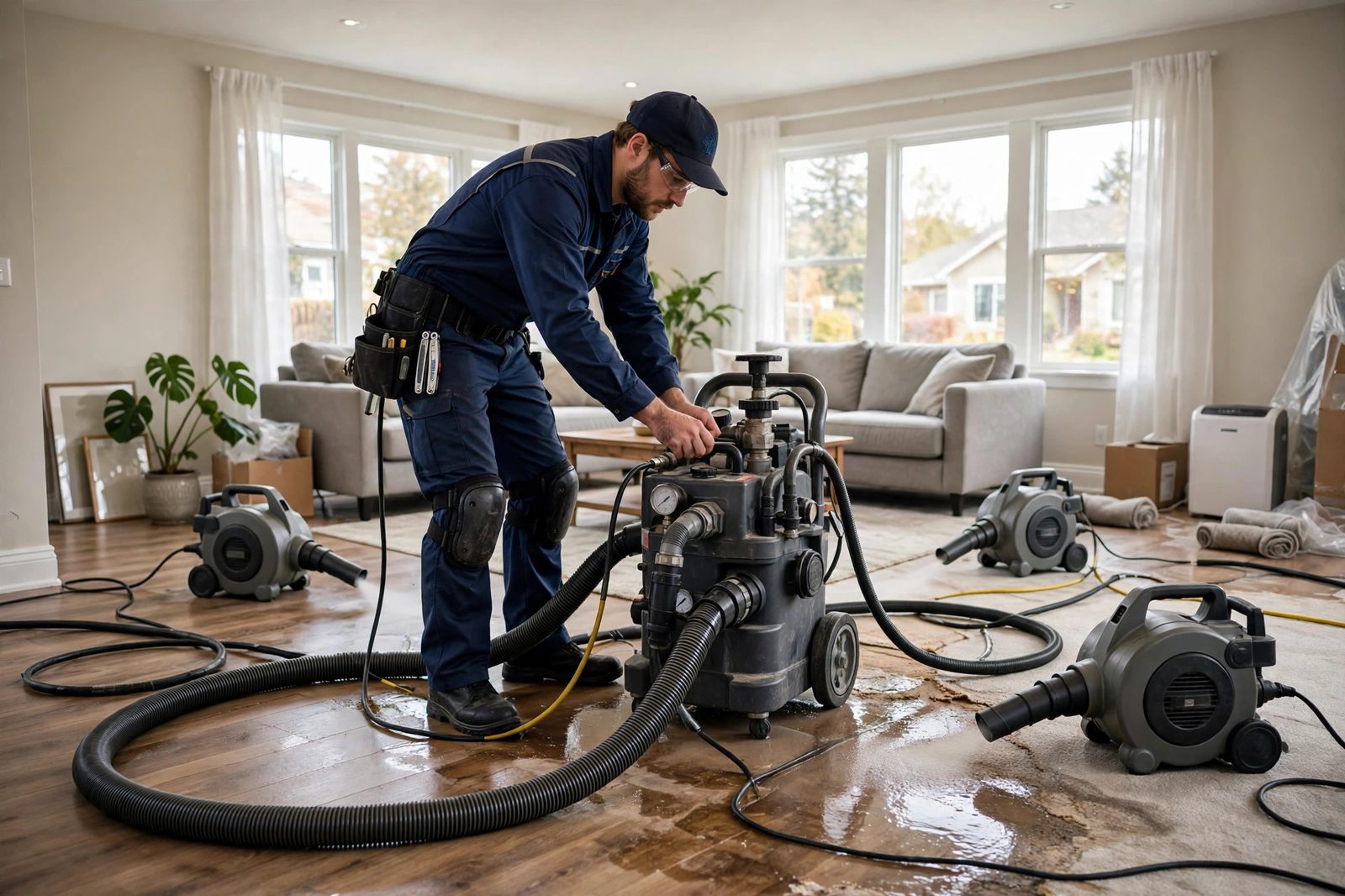
Hours 1–4 — extraction and assessment. We pull standing water with truck-mounted extractors and map every wet area with meters and thermal imaging — including wall cavities and subfloors where water hides.
Day 1–3 — drying to a verified standard. Industrial air movers and dehumidifiers run until moisture readings hit the dry standard, checked daily. In Painesville's humid summers, this is the window — mold begins within 24–48 hours — where professional drying pays for itself.
Then — sanitizing, mold prevention, and rebuild. Antimicrobial treatment and sewage decontamination, removal of materials that can't be saved, and full restoration of drywall, flooring, and finishes — with photo and moisture-log documentation your adjuster and any flood-insurance claim will need.
Water won't wait. Neither should you — call (614) 956-3233.
06CTA Blocks
Grand River Rising? Basement Taking Water? Call Now. Floodwater gets more dangerous and more expensive every hour it sits. Integrity Water Damage Restoration Ohio provides 24/7 emergency water damage restoration across Painesville and Lake County. Call (614) 956-3233 for immediate response.
Free Flood-Risk Moisture Inspection — Painesville Near the river valley? Basement that floods every spring? We'll inspect, measure moisture, check your foundation for water-entry signs, and give you an honest assessment at no charge. Serving Painesville, Fairport Harbor, Mentor, and Grand River. Call (614) 956-3233.
Our Restoration Process
A disciplined, four-step method — no guesswork, no shortcuts, no surprises.
Rapid Assessment
We inspect on arrival, map hidden moisture with meters and thermal imaging, and lay out a clear plan before any work starts.
Water Extraction
Truck-mounted and portable extractors pull standing water fast — the single biggest factor in limiting total damage.
Drying & Dehumidification
Commercial air movers and dehumidifiers run under daily monitoring until every material reaches verified dry standard.
Cleaning & Restoration
Sanitizing, odor removal, drywall, flooring, and paint — your property restored by one accountable crew.
“Every hour water sits, the damage — and the bill — grows.”
Call (614) 956-3233 — We Answer 24/7Why Ohio Homeowners Call Us First
- 24/7 live dispatch — a real person answers, day or night, holidays included
- 60-minute emergency response goal across our Ohio service area
- Upfront, honest pricing explained before work begins
- Insurance-ready documentation — photos, moisture logs, line-item reports
- Mold prevention built in — antimicrobial treatment on every drying job
- One accountable crew from emergency extraction to final repairs
Water Damage Can't Wait — Neither Do We
Our Ohio crews are on call 24/7 for emergency water extraction and drying.
Call (614) 956-3233 Now?Frequently Asked Questions — Water Damage in Painesville
Much of Painesville's river valley sits in FEMA-mapped floodplain, and the USGS developed detailed flood-inundation mapping specifically for Painesville using the Walnut Avenue gage. Check your property against current FEMA maps and talk to your insurance agent — and if you're buying near the river, get a professional moisture inspection before you commit. Ours is free: call (614) 956-3233.
The 2006 event was called a 500-year flood, but Painesville's documented record — 1989, 2006, 2008, 2011, plus the August 2024 state of emergency — shows the Grand River floods on a far more human timescale. Prepare for the likely event, not just the record one: know your evacuation route, keep valuables off basement floors, and make sure your sump system works.
It can be. More than eight feet of bank-crest recession has been documented along the Grand River at Painesville since 1984. Watch for foundation cracks on the river side, soil pulling away from the house, and new basement moisture after ordinary rain — and get a professional assessment before it becomes structural. Note that standard homeowners policies typically exclude earth movement, so early documentation matters.
A system, not a single fix: a primary sump pump with battery backup (spring storms knock out power), sealed foundation cracks, exterior grading that slopes away from the house, and downspouts discharging well clear of the foundation. We dry spring-flood basements and design the prevention setup with you afterward.
We strongly advise against it. River floodwater is contaminated — sewage, chemicals, and debris — and it wicks into drywall, insulation, and framing where fans and bleach can't reach it. Professional extraction, antimicrobial treatment, and verified drying protect both your health and your home's structure. Call (614) 956-3233 and stay out of the water.
It depends on water category, depth, and materials. River-flood jobs cost more than clean-water leaks because contaminated materials must be removed and everything disinfected — but every job starts with a documented, insurance-ready estimate before work begins. Call (614) 956-3233 for emergency response now; we'll talk numbers honestly on site.
Also Serving Nearby Communities
Fast response across the region — pick your town for local flood risks and what to do first.
How Was Your Experience?
If our crew helped you through a water emergency, your review helps Ohio neighbors choose with confidence.