The Sandusky River flooded Fremont for decades until a federal project. Integrity Water Damage Restoration Ohio offers 24/7 emergency water damage restoration. Call (614) 956-3233 now.
Water Emergency Right Now?
Do these five things first — then let us take it from there.
- Stay safe first. Don't walk through standing water if the power may be on — and never touch submerged outlets, panels, or appliances.
- Stop the source if you can. Shut the main water valve for a burst pipe or appliance leak. For storm flooding, focus on safety, not the water.
- Call (614) 956-3233 now. Our dispatchers answer 24/7 and can talk you through the next steps while a crew rolls.
- Move what matters. Lift rugs, electronics, and furniture legs out of the water if it's safe to do so — every inch helps.
- Don't wait on drying. Mold can start within 24–48 hours. Fast professional drying is the difference between a cleanup and a rebuild.
01The Floods That Forced a Federal Project
The Sandusky River runs northeast through Fremont on its way to Sandusky Bay and Lake Erie — and for most of the 20th century, it ran through Fremont's streets and basements with appalling regularity. The U.S. Army Corps of Engineers' project document for Fremont states it plainly: "several times this century up to 1000 acres of this small city of 18,000 have been inundated." A thousand acres. In a city of eighteen thousand people. Repeatedly.
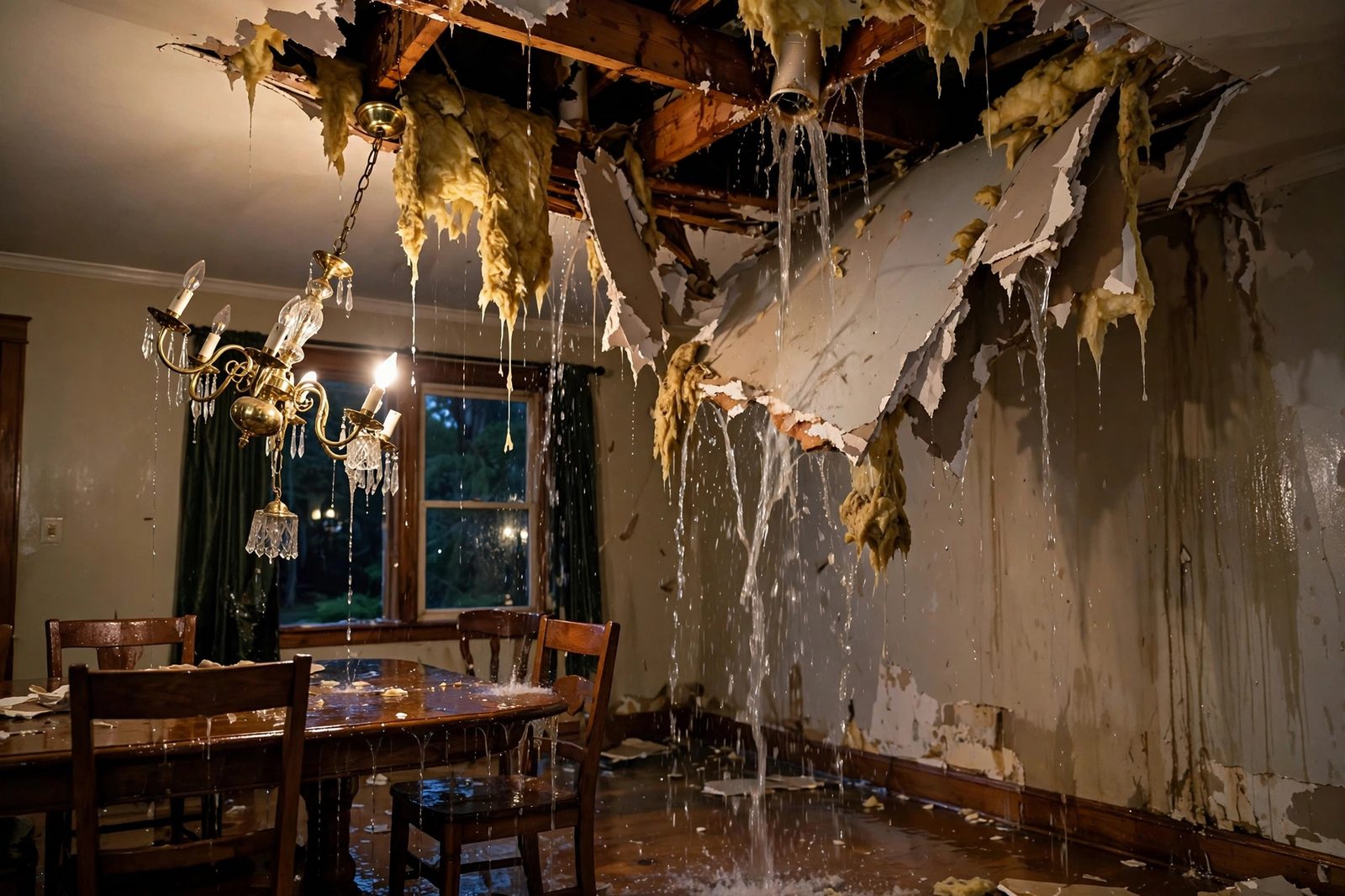
That's why the Corps built a dedicated flood-protection project at Fremont — channel enlargement and levees — a federal intervention that exists because local flooding was too severe and too chronic for the city to solve alone. The project tamed the worst of the river's behavior. It did not eliminate flooding — and, crucially, it did not fix what the Corps document identifies as Fremont's distinctive second hazard: when floodwaters rise, they back up the combined sanitary/storm sewers, flooding "streets and basements" — and when the waters recede, they leave raw sewage deposited across the flooded areas.
Read that again: in Fremont, a river flood has historically meant a sewage flood too. If your basement has taken water during a Sandusky River rise, assume contamination until proven otherwise. Integrity Water Damage Restoration Ohio provides 24/7 emergency water damage restoration across Fremont and Sandusky County — extraction, sewage decontamination, verified structural drying, and mold prevention. Call (614) 956-3233.
02Fremont's Double Threat: River Water Plus Sewage Backup
Most river towns worry about water coming over the bank. Fremont has to worry about water coming up through the floor drain at the same time — and the federal record says so explicitly. The combined sanitary/storm sewer system means a single pipe network carries both sewage and stormwater; when the river backs the system up, raw sewage is what floods streets and basements, and it's what coats everything when waters recede.

The protocol for suspected sewage flooding:
- Stay out of it. Combined-sewer floodwater is Category 3 black water — pathogens, not just mud.
- Don't run household fans — they spread contamination through the house.
- Call (614) 956-3233 immediately. We extract with truck-mounted equipment, remove contaminated porous materials (carpet, pad, drywall below the waterline, insulation), and disinfect to health-safe standards.
- Photograph everything before cleanup — and note how the water entered (up through drains vs. over the bank), because that determines your insurance coverage.
- Consider a backwater valve on your lateral after restoration — it's the single best defense against the next surcharge.
Standard homeowners policies typically exclude both flooding and sewer backup — the first needs a flood policy, the second a water backup endorsement. In Fremont, where one event routinely causes both, documentation is everything. Ours is built for adjusters.
03Lake Erie's Hand on the River
Fremont has a flood variable most inland cities don't: the lower Sandusky River is influenced by Lake Erie water levels via Sandusky Bay. When lake levels run high, the river can't drain efficiently — it's trying to empty into a full bathtub. This lake-effect backwater means Fremont can flood worse, and stay flooded longer, than rainfall alone would predict — and it means flood risk here tracks Great Lakes levels, not just local weather.
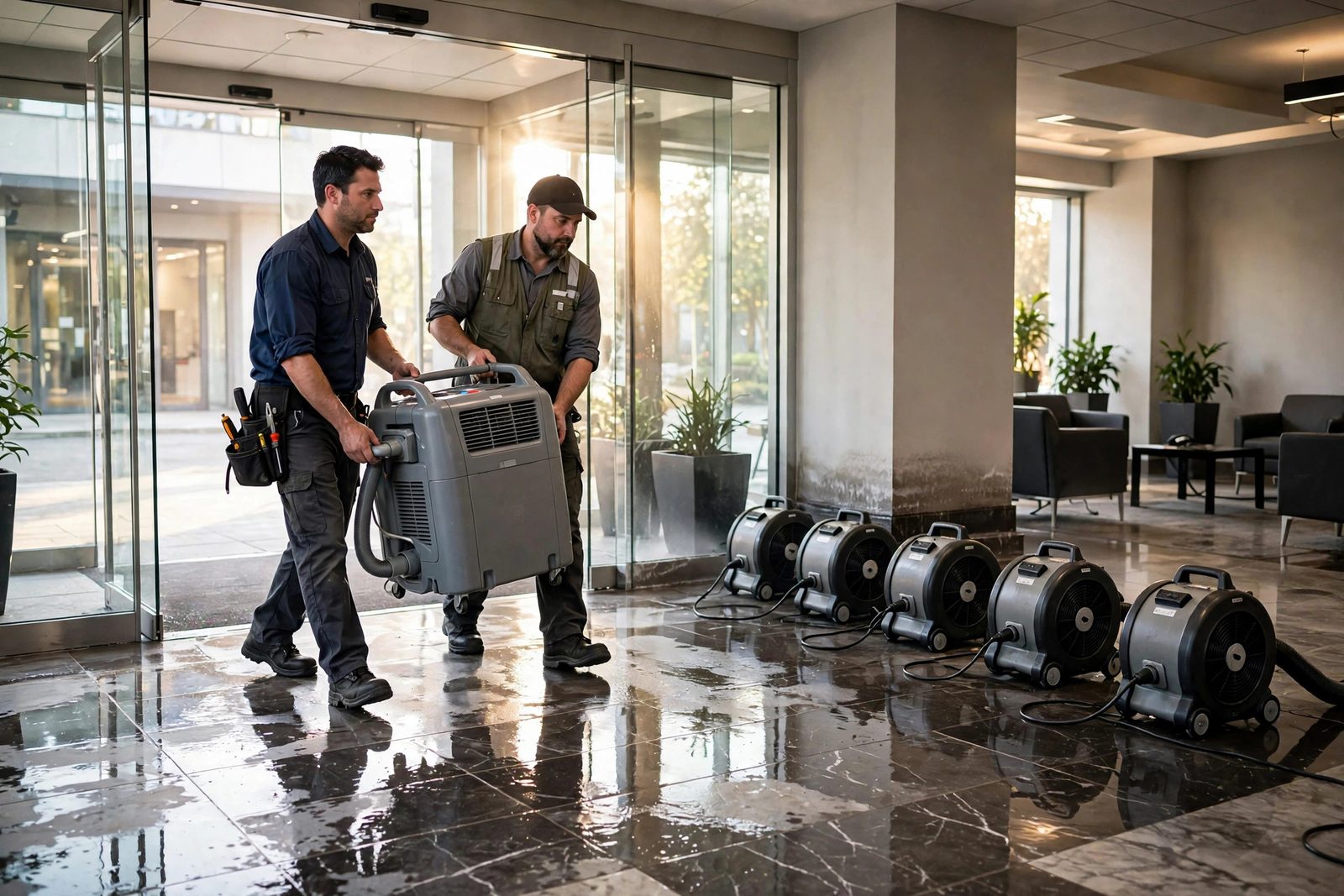
It's one more reason Fremont's floods behave differently than the textbook river rise: slower to drain, prone to lingering in low areas, and capable of pushing the combined sewers into backup even when the rain has stopped. If your basement stays wet for days after the storm passes, this is why — and lingering moisture is exactly what feeds mold. Call (614) 956-3233 for professional drying verified by moisture readings, not guesswork.
04The Modern Pattern: 1913, 2007, and April 2026
The federal project was built for the 20th century's floods, but the river keeps writing new chapters:
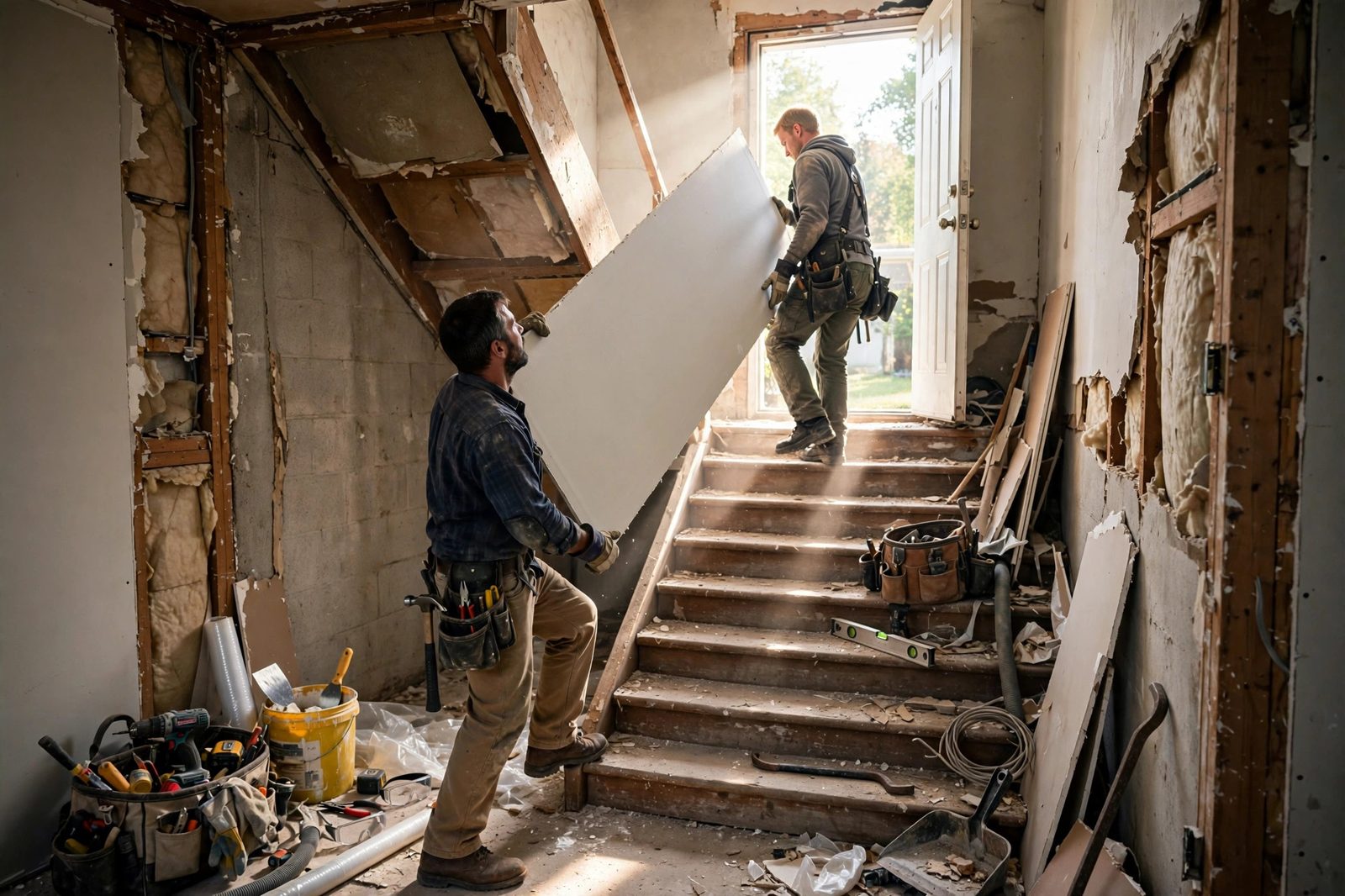
- March 1913: The statewide catastrophe — every major Ohio river, the Sandusky included, at historic levels.
- August 2007: The Sandusky River basin was hit hard — upstream at Bucyrus, the river reached greater than 500-year recurrence levels, the kind of event that stresses every levee and channel improvement downstream at Fremont.
- April 2026: NWS flood warnings included the Sandusky River at Fremont with minor flooding — the routine, modern reminder that the project manages flooding; it doesn't end it.
Upstream sits the former Ballville Dam (built 1911, a 10.5-meter-high structure about 29 km upstream per research literature) — we keep dam claims minimal here, but the point stands: Fremont's river is a managed, engineered system, and managed systems still flood. Your sump pump, backwater valve, and grading are your personal flood project. When they get overwhelmed, (614) 956-3233 is the number.
More Than Water Removal
Water is only the first problem. Here's what we actually fix when we walk through your door.
Structural Damage
Standing water weakens framing, subfloors, and foundations. Fast extraction stops a small leak from becoming a structural repair.
Mold Growth
Mold can colonize damp drywall within 48 hours. We dry to verified moisture standards and treat surfaces to prevent regrowth.
Health Risks
Sewage backups and long-standing water carry bacteria and contaminants. We clean and sanitize until the space is safe again.
Lingering Odors
A musty smell means moisture is still hiding somewhere. We find the source, dry it completely, and deodorize — never just mask it.
Ruined Floors & Walls
Buckled hardwood, swollen drywall, peeling paint. We remove what can't be saved and rebuild what matters, start to finish.
Insurance Stress
Claims stall on thin documentation. We photograph everything, log moisture readings daily, and deliver adjuster-ready reports.
05After Sandusky River Water Enters Your Home: Sanitize and Dry
Because Fremont floodwater so often carries sewage, post-flood response here has to go further than drying:

- Emergency extraction — truck-mounted, including contaminated water.
- Contaminated-material removal — porous materials touched by sewage (carpet and pad, drywall, insulation) generally can't be disinfected and must go.
- Professional disinfection — antimicrobial treatment of all affected structural surfaces.
- Verified structural drying — industrial dehumidification and air movement, confirmed by daily moisture readings, not by "it feels dry."
- Mold prevention — inside the critical 24–48 hour window, because sewage-contaminated moisture is mold's favorite food.
- Documented rebuild — drywall, flooring, and finishes restored, with insurance-ready documentation throughout.
Don't wait for the water to recede on its own — every hour of standing contaminated water deepens the damage. Call (614) 956-3233 now, 24/7.
06CTA Blocks
Sandusky River Flooding in Fremont? Sewage Backup? Call Now — 24/7. River water, sewer surcharge, or both at once — Integrity Water Damage Restoration Ohio provides 24/7 emergency water damage restoration across Fremont and Sandusky County. Call (614) 956-3233 for immediate response.
Free Moisture Inspection — Fremont & Sandusky County Musty basement, staining, or damage from the river's recent rises? We'll inspect, measure moisture behind walls and under floors, and give you an honest assessment — free. Call (614) 956-3233.
Our Restoration Process
A disciplined, four-step method — no guesswork, no shortcuts, no surprises.
Rapid Assessment
We inspect on arrival, map hidden moisture with meters and thermal imaging, and lay out a clear plan before any work starts.
Water Extraction
Truck-mounted and portable extractors pull standing water fast — the single biggest factor in limiting total damage.
Drying & Dehumidification
Commercial air movers and dehumidifiers run under daily monitoring until every material reaches verified dry standard.
Cleaning & Restoration
Sanitizing, odor removal, drywall, flooring, and paint — your property restored by one accountable crew.
“Every hour water sits, the damage — and the bill — grows.”
Call (614) 956-3233 — We Answer 24/7Why Ohio Homeowners Call Us First
- 24/7 live dispatch — a real person answers, day or night, holidays included
- 60-minute emergency response goal across our Ohio service area
- Upfront, honest pricing explained before work begins
- Insurance-ready documentation — photos, moisture logs, line-item reports
- Mold prevention built in — antimicrobial treatment on every drying job
- One accountable crew from emergency extraction to final repairs
Water Damage Can't Wait — Neither Do We
Our Ohio crews are on call 24/7 for emergency water extraction and drying.
Call (614) 956-3233 Now?Frequently Asked Questions
Geography and history. The river passes directly through the city on its way to Sandusky Bay, the lower reach is slowed by Lake Erie backwater, and the 20th-century record — up to 1,000 acres inundated repeatedly — was severe enough to require a dedicated U.S. Army Corps of Engineers flood-protection project of channel enlargement and levees. Even with the project, the April 2026 NWS warnings show the river still floods here.
In Fremont, assume yes until proven otherwise. The Corps' project document explicitly records floodwaters backing up the combined sanitary/storm sewers and depositing raw sewage across flooded areas. Treat it as Category 3 black water: stay out, don't run fans, and call (614) 956-3233 immediately for professional extraction and disinfection.
No — levees manage risk; they don't eliminate it, and they don't cover sewer backup at all. If you're in or near the mapped floodplain, talk to your agent about NFIP coverage; and every Fremont homeowner should ask about a water backup endorsement for the sewer-surcharge peril, which is arguably the more frequent threat here.
High lake levels slow the Sandusky River's drainage into Sandusky Bay (backwater effect), making floods worse and longer-lasting than rainfall alone would cause. It's a regional variable worth watching alongside local rain forecasts.
Mold can begin within 24–48 hours of water exposure, per widely cited EPA guidance — and sewage-contaminated water accelerates the problem. Emergency extraction and professional drying on day one is the single most important thing you can do. Call (614) 956-3233.
Yes — Fremont plus Clyde, Bellevue, and surrounding Sandusky County communities. Call (614) 956-3233 24/7.
Also Serving Nearby Communities
Fast response across the region — pick your town for local flood risks and what to do first.
How Was Your Experience?
If our crew helped you through a water emergency, your review helps Ohio neighbors choose with confidence.